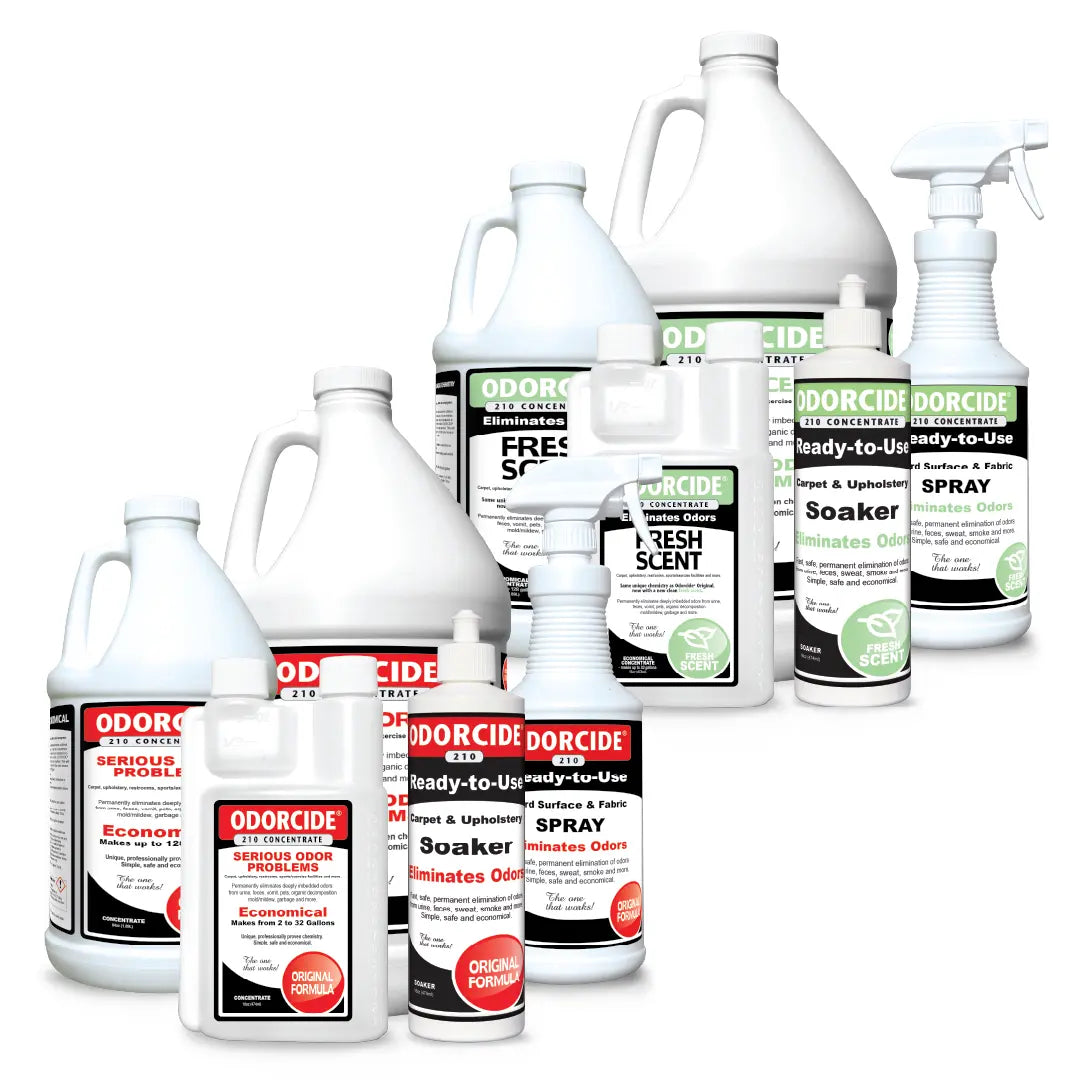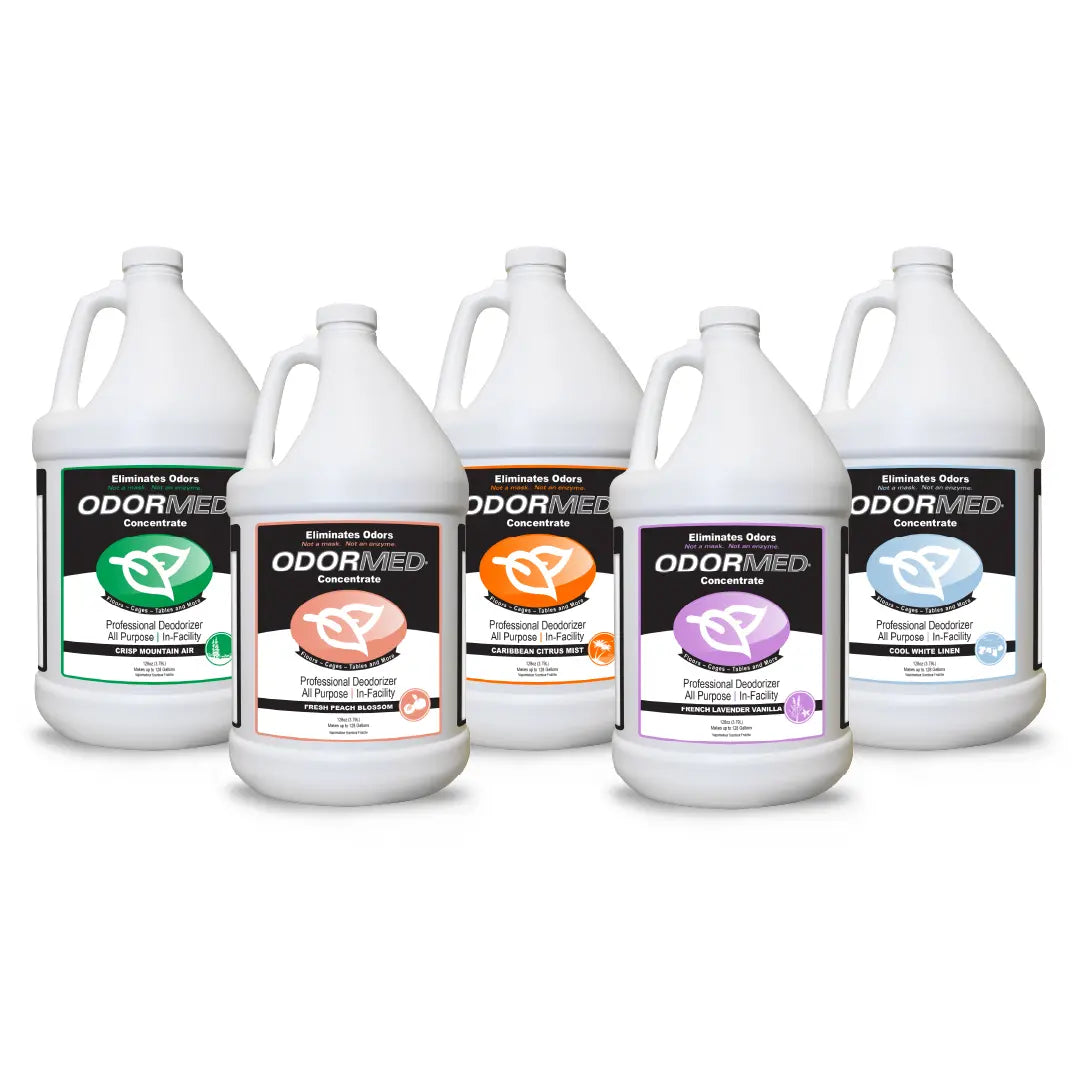

Thornell Corporation has been making Odorcide for veterinary professionals, kennel operators, and commercial cleaning operations for more than forty years. We built a solid B2B business around a product that solved a problem other products couldn't address: persistent biological odor in high-contamination professional environments and we were good at serving that market. That was the business.
TikTok was not on our radar.
We were a B2B company that understood its customer base and served it well. The idea that a consumer audience would find us organically through a social platform, without any deliberate effort on our part to reach them, was not a scenario we had planned for.
And then it happened anyway.
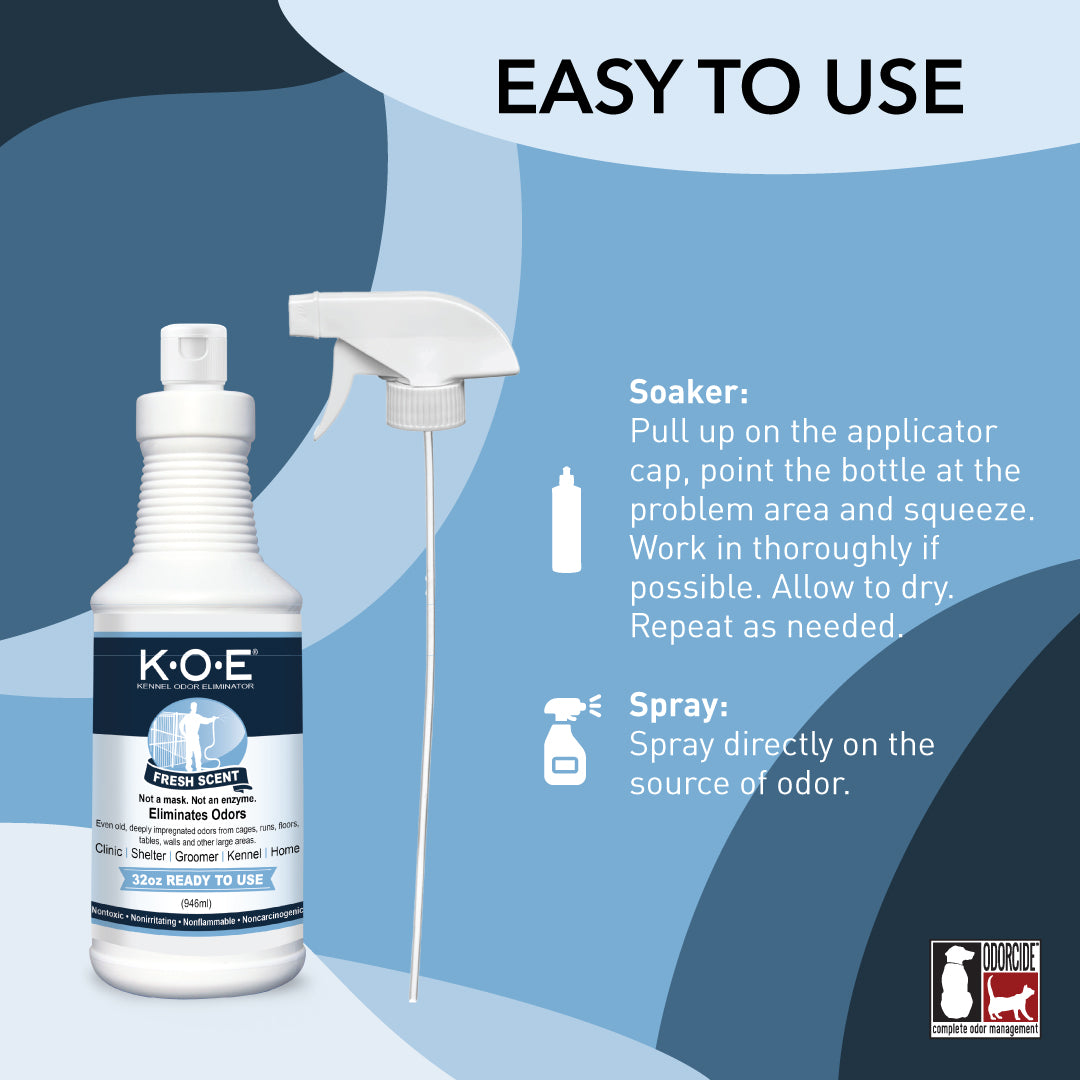
Our flagship product, K.O.E. (Kennel Odor Eliminator), has always been a best-selling part of the Odorcide product line. It is the same core technology we have been selling to professionals for decades. Pet owners add a small amount to an existing cleaning solution; it integrates into a normal cleaning routine and addresses pet odors at the molecular level rather than masking them with fragrance or relying on enzymatic chemistry that performs inconsistently outside controlled conditions. We knew it worked because the professional market had confirmed that for forty years.
What we underestimated was the size of the consumer audience that had been looking for exactly this and couldn't find it.
Consumers found K.O.E. through TikTok. Someone tried the product; it worked well, they said so, and the audience for that message turned out to be enormous. Once pet owners found something that actually eliminated the source rather than masking it, the online word-of-mouth spread immediately and was a little overwhelming, as was the growth that followed.
Our family-owned business grew by more than 150 percent year over year for three consecutive years, reflecting an existing customer need. The professional market found Odorcide first because professionals encounter odor failure in ways that are immediately visible and commercially costly. The consumer market found K.O.E. later, through a channel we weren't managing, because the same frustration exists in millions of homes, and the same chemistry resolves it.
We didn't build a consumer strategy and execute our way to this result. The product found its audience because it solved a problem the existing category hadn't addressed.