
Smell is a business metric, whether most operators recognize it or not.
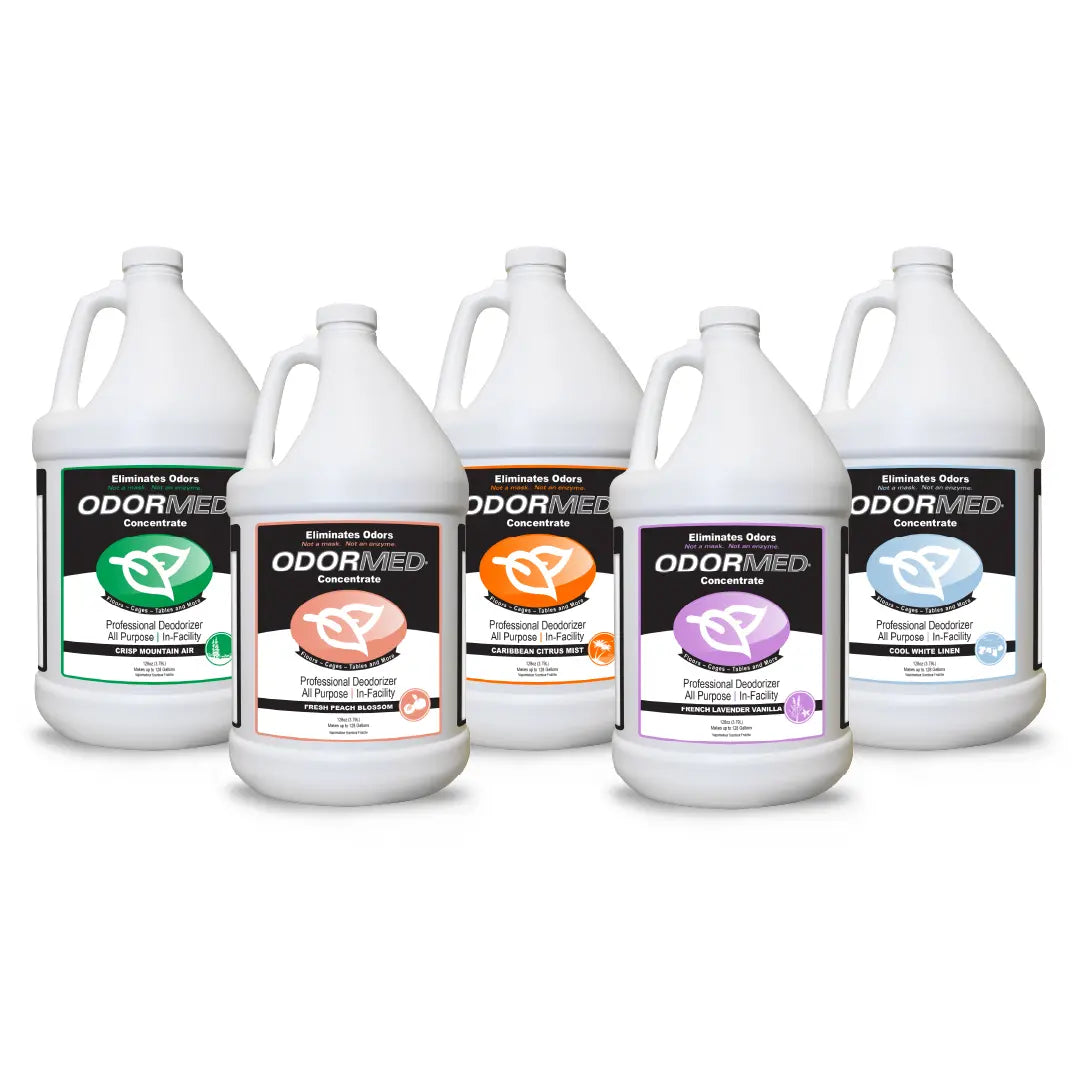
Too little treatment and the odor comes back. Too much and you have replaced one problem with another…a headache-inducing perfume that makes your customers wrinkle their noses.
The window between those two outcomes is narrower than most people realize, and the products doing the most damage are the ones that promise to rid odor without actually understanding the chemistry involved.
Fragrance-based masking products are designed to smell strong. The theory is that by layering a pleasant scent on top of an unpleasant one, people will only notice what smells good. It works for about 20 minutes, then the nice-smelling fragrance fades, the underlying odor returns, and the veterinarian's waiting room smells like a kennel with a floral top note.
Enzymatic products have built a credible reputation on the promise of science; however, the science works in a controlled environment. Enzymes break down organic matter at the source over time. The problem is that professional environments are not controlled. Enzymes require specific temperature ranges and pH levels to activate, and cannot be mixed with disinfectants or detergents, which most veterinary clinics and janitorial operations use as standard protocols. It is a credible technology built for conditions that professional environments rarely provide, which is precisely why so many facilities that started with enzymatic products eventually found their way to Odorcide.
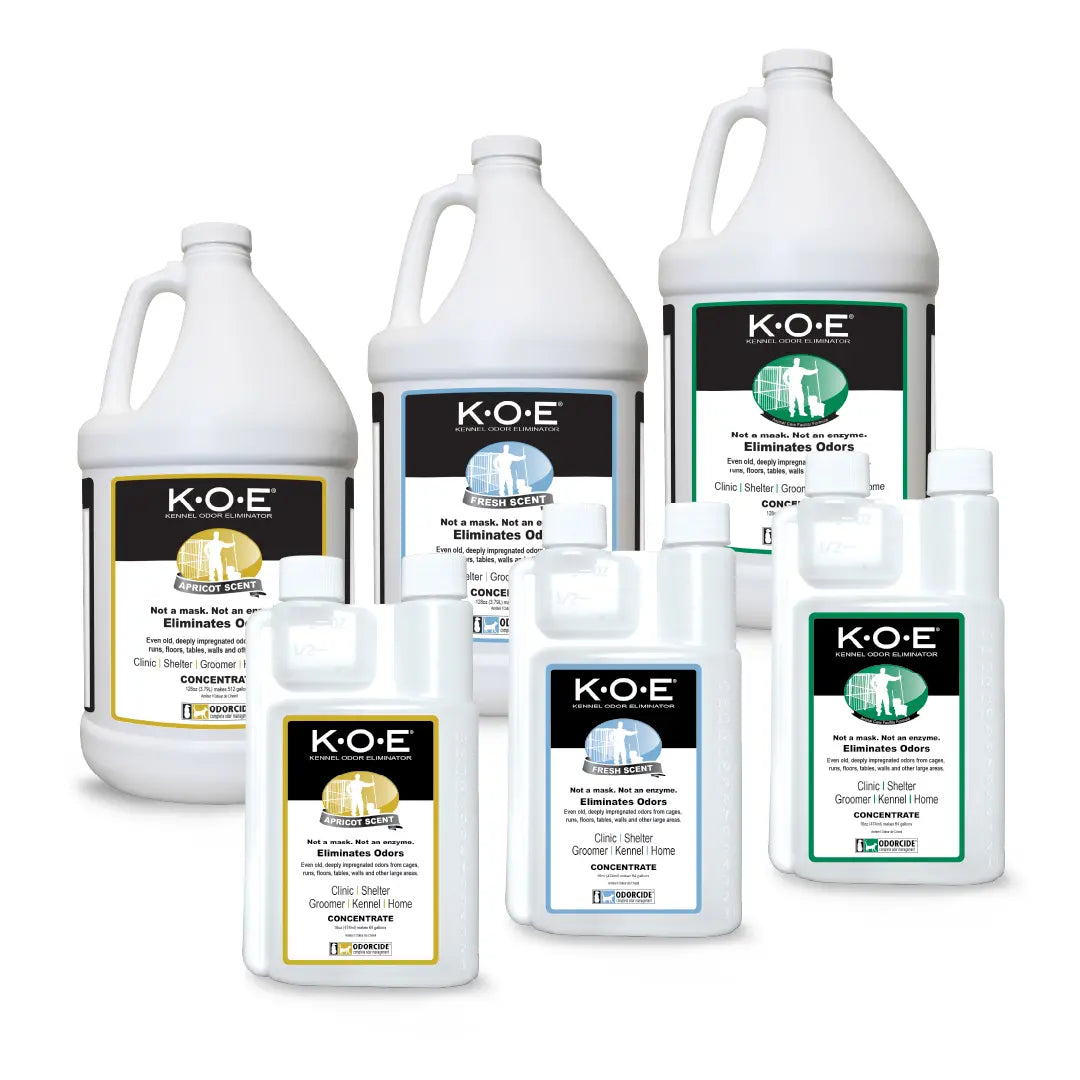
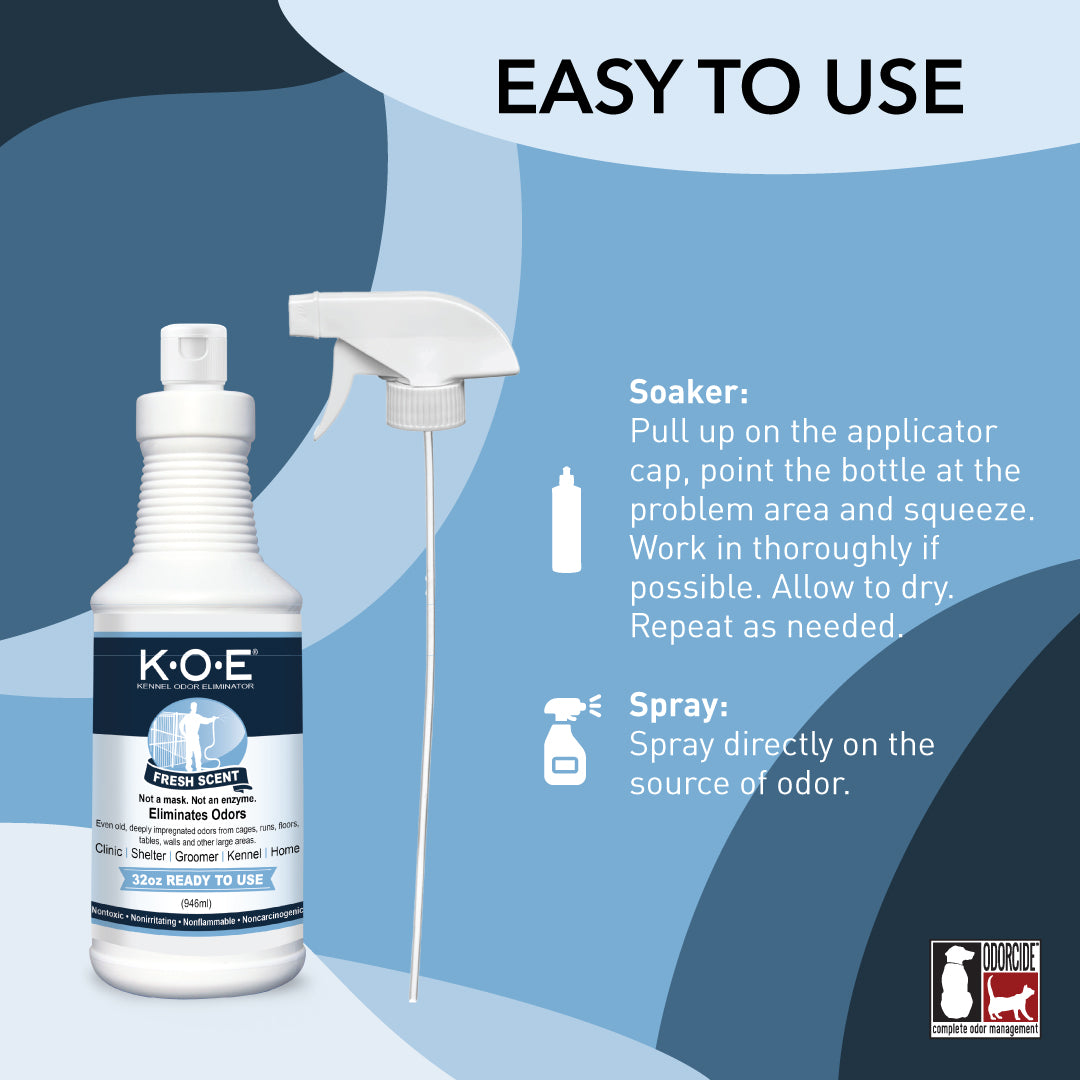
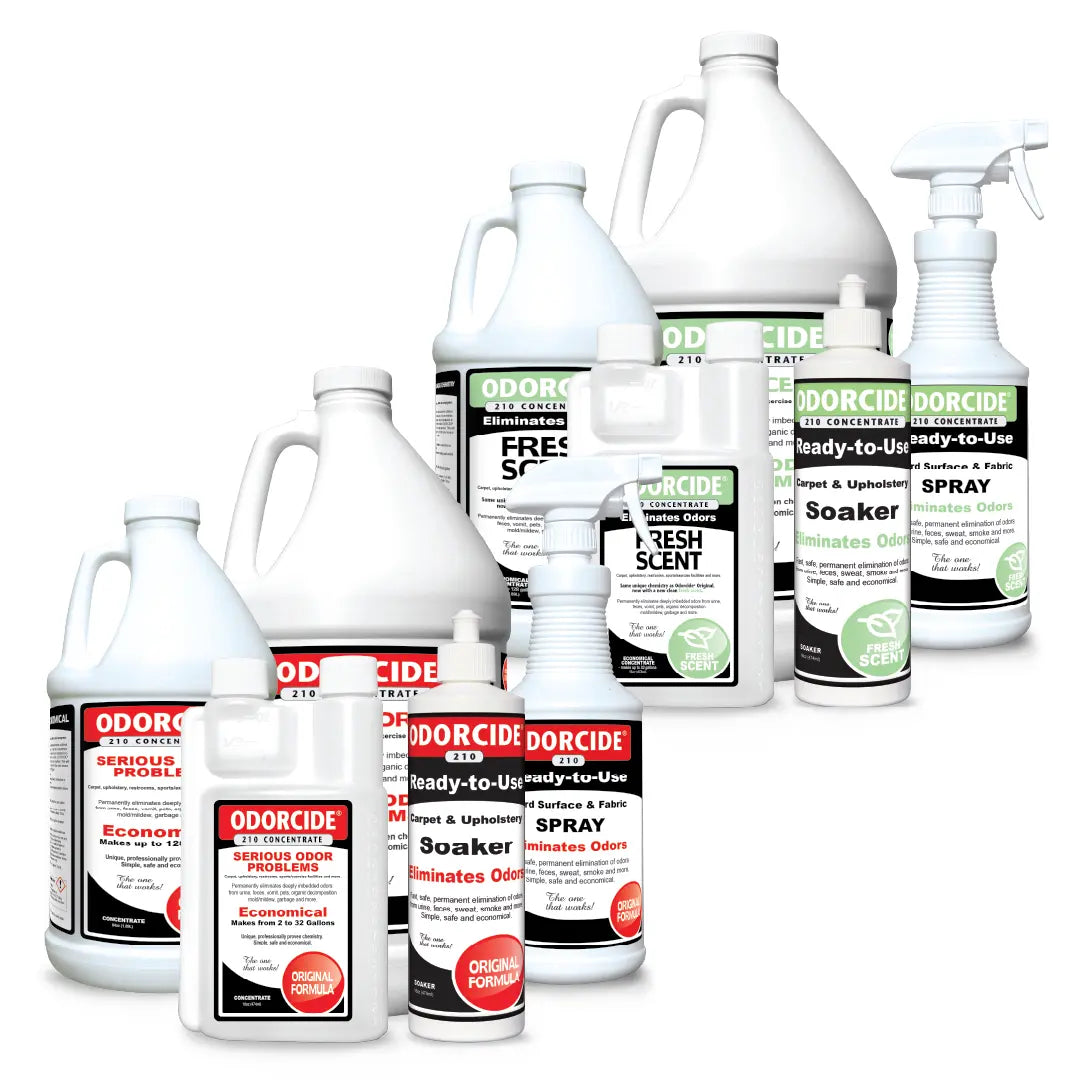
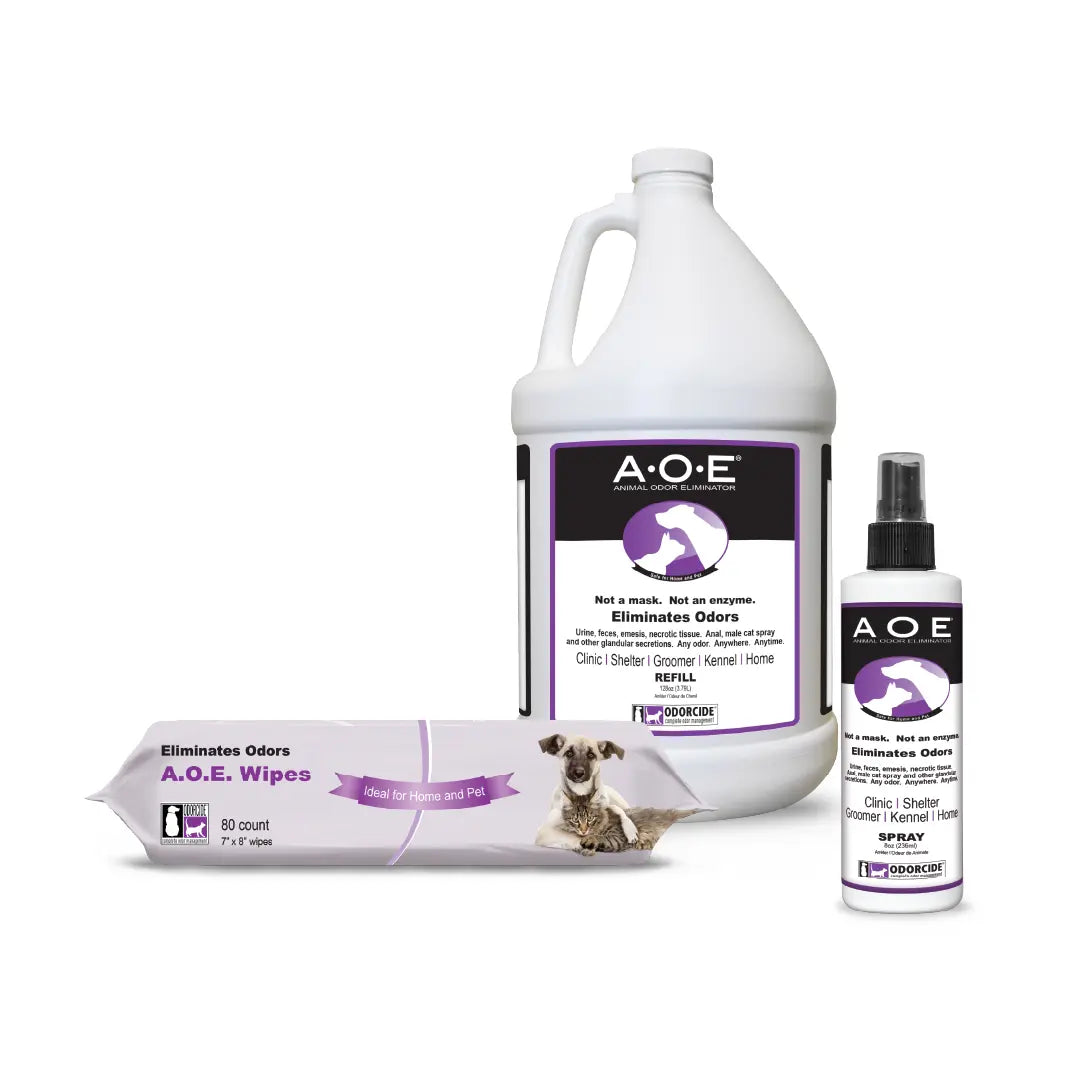
The gap between too much fragrance and too little performance is exactly where Odorcide has operated for more than 40 years. The product formulas are non-enzymatic and built around plant-based surfactants developed through chemical research at Cornell University that bind to odor-causing molecules and neutralize them on contact. There is no activation window and no temperature sensitivity. It is fully compatible with the disinfectants and detergents already in use in a clinic, a kennel, or a commercial cleaning operation, and it does not mask the problem or require ideal conditions…it eliminates the source.
Thornell Corporation, the Smithville, Missouri, manufacturer of Odorcide, became the largest supplier of odor-elimination products to the veterinary profession because veterinarians needed something that worked in real clinics.
Getting smell just right in a professional setting is about understanding what actually happens at the chemical level when odor meets a surface, and choosing something built around that reality.
Thornell Corporation spent four decades solving odor problems in environments where failure is immediately visible and commercially costly. The formulas were never built around ideal conditions because ideal conditions do not exist in a working kennel, a veterinary clinic, or a home with three dogs and a cat. Getting the chemistry right was never optional. Odorcide gets the chemistry right. That is the whole story.